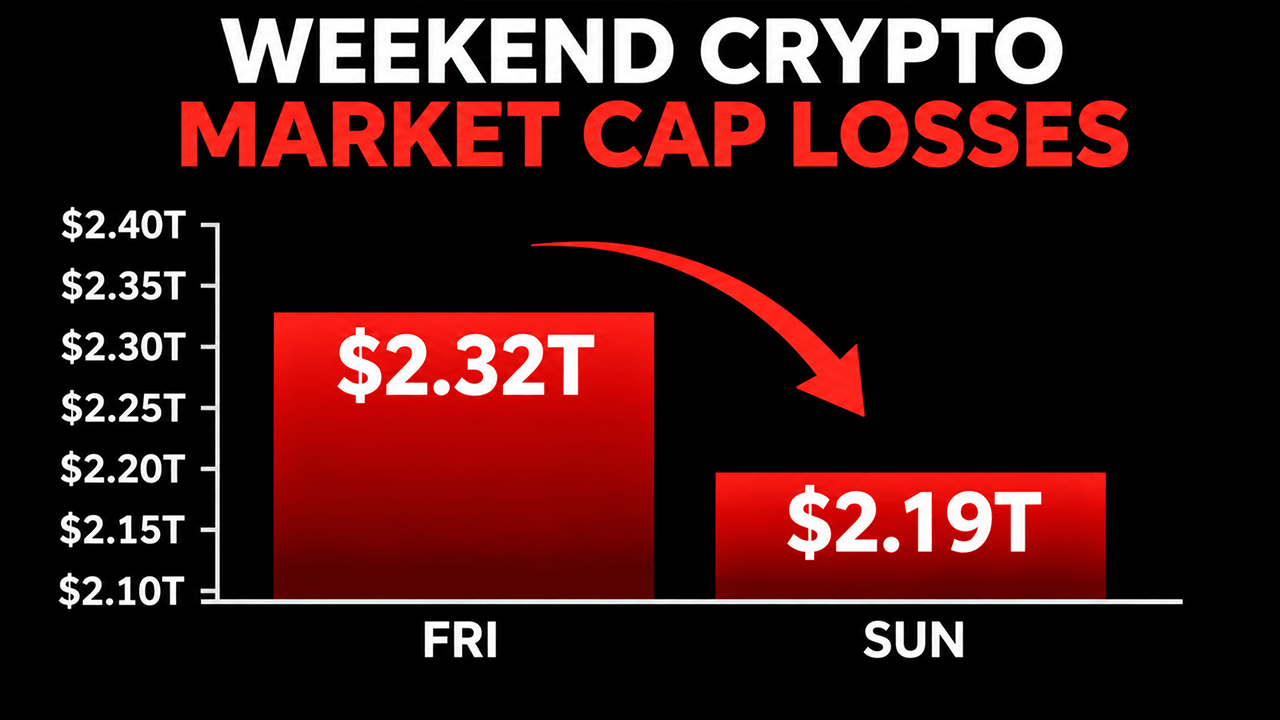
XRP Price Crashes Below $0.90 as Shrinking Stablecoin Supply Drain Crypto Market
Reading sizeRead report ↓
Loading image
XRP price crashes to its lowest price since November 2024, dropping to approximately $0.89 as investors continue pulling capital out of the cryptocurrency market. The latest decline comes amid growing withdrawals from XRP exchange-traded funds (ETFs) and a significant contraction in the supply of major dollar-backed stablecoins. The payments-focused cryptocurrency has lost approximately 36% of […]

XRP price crashes to its lowest price since November 2024, dropping to approximately $0.89 as investors continue pulling capital out of the cryptocurrency market. The latest decline comes amid growing withdrawals from XRP exchange-traded funds (ETFs) and a significant contraction in the supply of major dollar-backed stablecoins.
The payments-focused cryptocurrency has lost approximately 36% of its value this quarter and has struggled to recover since reaching a peak above $3.60 in July 2025. Its latest decline coincides with broader weakness across digital assets, as Bitcoin and Ethereum have also retreated to price levels last seen in August.
Weaker investment flows and shrinking stablecoin liquidity suggest investors are becoming increasingly cautious, leaving less capital to support demand across the crypto market.
XRP Drops to Its Lowest Price Since November 2024
XRP briefly declined to $0.89, marking its weakest level since November 2024. The drop extends a prolonged downward trend that began after the token climbed above $3.60 in July 2025.
The cryptocurrency has now lost about 36% this quarter, reflecting the broader deterioration in digital asset sentiment. Bitcoin and Ethereum have also experienced substantial declines, with both cryptocurrencies falling to levels last recorded in August. This indicates that XRP’s weakness is unfolding alongside a wider market correction rather than as an isolated event.
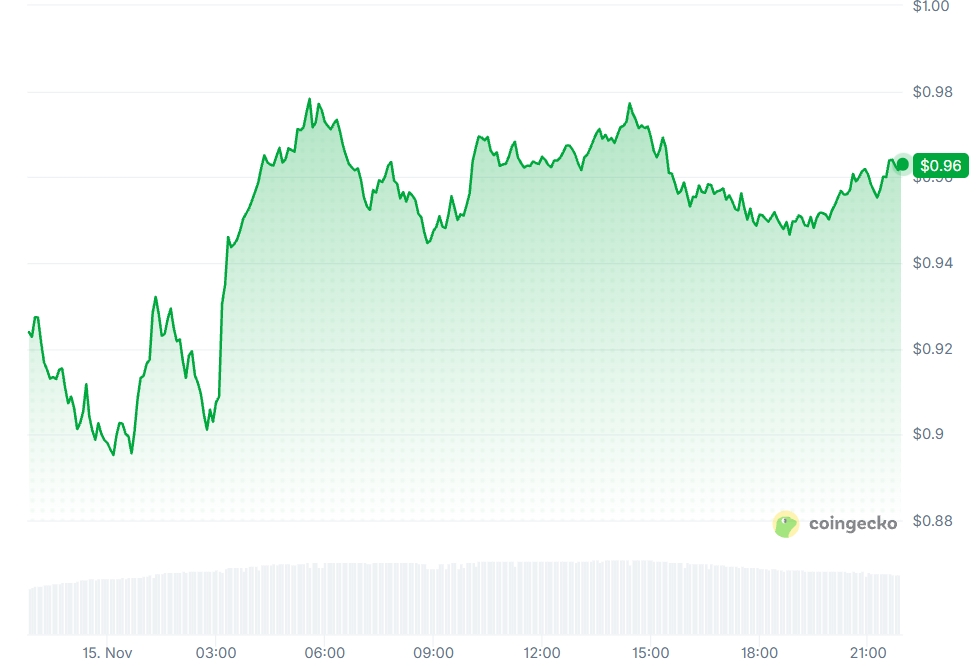
Source: CoinGecko
However, XRP’s recent performance highlights the challenges facing altcoins when investors reduce their exposure to riskier digital assets. As market confidence weakens, capital tends to become more selective, putting additional pressure on cryptocurrencies that depend on renewed buying demand to sustain their valuations.
XRP ETF Outflows Reach Highest Level Since March
Withdrawals from investment products tracking XRP have added to the selling pressure.
US-listed spot XRP ETFs recorded approximately $19.13 million in net outflows during the week ending November 13, according to SoSoValue data. This represented the largest weekly withdrawal from the products since March 2026.
Despite the recent redemptions, the ETFs have attracted approximately $1.5 billion in cumulative net inflows since launching in November 2025.
That figure highlights the demand the products initially generated, although their relatively modest inflows compared with Bitcoin and Ethereum ETFs suggest that institutional exposure to XRP remains considerably smaller.
ETF flows remain an important indicator of investor demand. Sustained withdrawals can signal weakening confidence and potentially reduce the buying support available to the underlying cryptocurrency.
Stablecoin Supply Contracts as Crypto Liquidity Declines
Pressure on the market extends beyond ETF withdrawals. The combined market capitalization of Tether’s USDT and Circle’s USDC, the two largest dollar-pegged stablecoins, has fallen to approximately $244 billion.
The contraction has accelerated over the past seven weeks, with the combined market capitalization declining from around $260 billion.
Blockchain analytics firm Glassnode highlighted the scale of the reduction, reporting that stablecoin supply had decreased by approximately $17 billion over the previous month. Analysts described this as the steepest monthly decline since 2022.
Stablecoins play an important role in cryptocurrency markets because traders use them to hold dollar-linked value, transfer funds between platforms, and purchase other digital assets.
Consequently, a declining stablecoin supply can indicate that capital is leaving the crypto ecosystem rather than remaining available for future investments. When investors convert stablecoins into traditional currencies, the amount of liquidity potentially available to support cryptocurrency purchases can also decrease.
What Comes Next for XRP?
XRP’s decline below $0.90 highlights the combined impact of weakening investor demand, ETF withdrawals, and reduced liquidity across the cryptocurrency market.
Although the token has experienced substantial losses, its future direction will depend partly on whether capital begins returning to digital assets. A reversal in XRP ETF flows and renewed growth in stablecoin supply could provide indications that investor confidence is improving.
For now, the available data points to a difficult environment for cryptocurrency markets. XRP has fallen to a level last seen in November 2024, while the contraction in stablecoin capitalization suggests that the amount of capital circulating through the sector is also declining.
A sustained recovery may therefore require more than a temporary improvement in XRP’s price. Broader liquidity conditions and renewed institutional demand will likely remain important factors in determining whether the cryptocurrency can regain its footing.
Is the sharp contraction in stablecoin supply a temporary liquidity adjustment, or does it signal a deeper withdrawal of capital from the cryptocurrency market?